
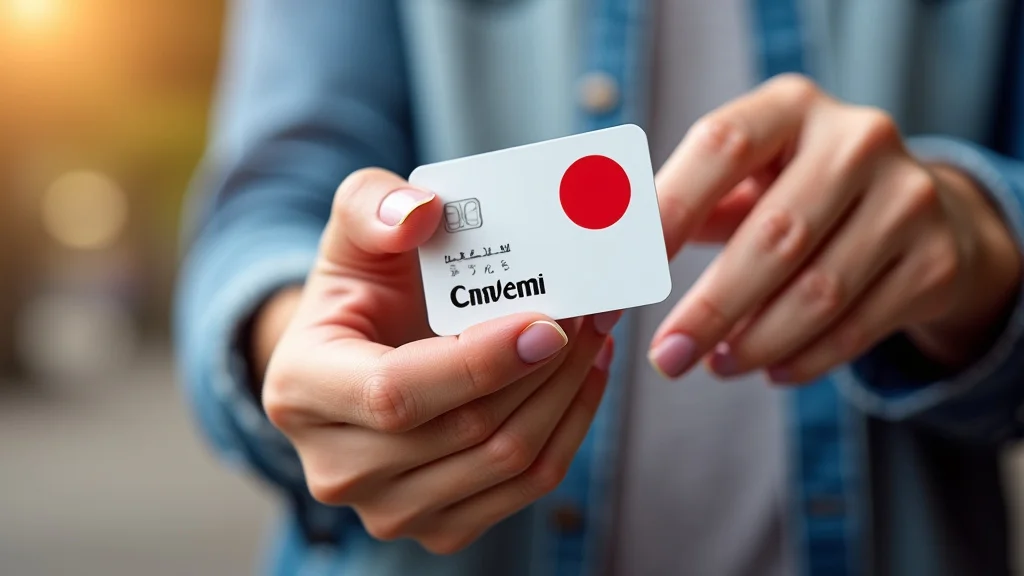
Picture this: you’ve just landed in Canada, excited to explore, but your phone is useless. No data, no calls – a true travel nightmare! This scenario is easily avoided. The best solution is often a Japanese SIM card Canada, enabling you to stay connected with your loved ones, research destinations, and share your adventures instantly. This guide aims to prepare you, exploring everything you need to know about acquiring and using a Japanese SIM card Canada. You’ll gain practical advice to choose the perfect plan, avoid common pitfalls, and seamlessly enjoy your Canadian experience while connected. You will also learn how to choose the right plan for you, making sure your time in Canada is smooth and connected!
Key Takeaways
- Learn the benefits of using a Japanese SIM card in Canada.
- Discover how to choose the right SIM card plan based on your needs.
- Understand the different types of SIM cards available for travelers.
- Find out where to buy a Japanese SIM card before your trip.
- Learn how to activate and troubleshoot your SIM card.
Why Use a Japanese SIM Card in Canada?
Traveling to a new country like Canada presents many exciting possibilities. But, staying connected is one of the most important aspects of ensuring a smooth and enjoyable trip. The appeal of a Japanese SIM card Canada lies in its convenience and cost-effectiveness compared to other options. Roaming charges on your home carrier can quickly add up, and public Wi-Fi isn’t always reliable or secure. With a local SIM card, you can easily access mobile data and make calls at affordable rates, ensuring you’re always connected. This is beneficial for finding directions, contacting local services, and sharing your journey with friends and family.
Advantages of Using a Local SIM
Choosing a local SIM card, especially a Japanese SIM card Canada, provides several benefits for travelers. You will be able to access local data, which helps with navigation through apps like Google Maps. Roaming charges can be very expensive, so the cost-effectiveness of local data plans is a big advantage. You will be able to access local services and emergency services more easily, providing you peace of mind. Overall, a local SIM card optimizes your travel experience, making it more convenient and affordable to stay connected during your visit to Canada.
- Cost Savings: Local SIM cards usually offer much cheaper data and call rates compared to international roaming.
- Reliable Connectivity: Local networks are designed for optimal coverage in the area, providing more reliable connections.
- Easy Access to Local Services: Easier access to local emergency services, and information.
- Convenience: No need to deal with complicated roaming settings and potentially high charges.
International roaming can be an expensive surprise on your phone bill. Carriers often charge high rates for calls, texts, and data usage outside your home country. For example, some carriers charge $10 or more per day just to keep your phone active while you’re traveling. Using a local SIM card, such as a Japanese SIM card in Canada, allows you to take advantage of significantly lower prices from local providers. This can result in considerable savings, especially if you plan to use a lot of data or make many calls.
When you use international roaming, your phone relies on agreements between your home carrier and local networks. This setup can sometimes lead to spotty connections or slower data speeds, especially in areas with weaker signals. A local SIM card, on the other hand, gives you direct access to the networks that are built and maintained specifically for use in Canada. This can lead to faster data speeds, more consistent service, and fewer dropped calls, so you can count on staying connected wherever your adventures take you.
Using a local SIM card makes it easier to contact emergency services in case of any trouble. In Canada, dialing 911 will directly connect you to local responders. Having a local SIM also allows you to find local information, such as business locations or event information, much easier than with international roaming. This quick access is essential when you’re in a new environment and can save valuable time and effort in various situations.
International roaming can involve several confusing settings and potential extra costs that are hard to understand before you travel. Local SIM cards eliminate those issues. With a local SIM, you simply insert it into your phone, and it is ready to use without messing around with any complicated roaming options. You will also get clear, upfront pricing, so you won’t be caught by any unexpected charges. This simplifies your travel experience.
Data Plans and Coverage
When looking at the best options for your Japanese SIM card Canada, it’s very important to understand data plans and coverage areas. Different data plans offer various data allowances, talk time, and text messages. Choosing the correct plan is key to a smooth journey. Coverage varies by provider and area. Researching coverage maps for the specific regions you plan to visit can help you determine the best option for your needs. Always check these details before you make a decision.
- Data Allowance: Understand the amount of data included in your plan and choose accordingly.
- Coverage Areas: Check for coverage maps to ensure you have good signal strength in the areas you’ll visit.
- Plan Duration: Choose a plan that matches the length of your trip.
- Cost Comparison: Evaluate different plans from various providers based on pricing.
Data allowance refers to the amount of mobile data that you can use over a period, like a month or a week. Data is measured in gigabytes (GB). Common plans offer varying amounts of data, from a few GB to unlimited data. A plan with 5GB to 10GB is often sufficient for travelers who use their phone for maps, browsing, and occasional social media. Consider higher data plans if you often watch videos or use your phone for streaming music.
Coverage maps are maps created by mobile carriers. They show where their networks provide service. Before purchasing a SIM card, check the coverage maps of different providers to see if their networks cover the areas you will be visiting. Canada has wide and vast areas. If you’re going to travel through remote locations, make sure the network has extensive rural coverage. Researching coverage ensures you stay connected, allowing access to information, contact emergency services, and remain in touch with others.
Plan duration describes how long your plan is good for. SIM cards often have plans that are good for several days, weeks, or a full month. Selecting a plan duration that is the same length as your trip is cost-effective. Choosing a shorter plan can mean you need to purchase another card during your trip, and buying a longer plan can mean unused data. Select a plan that lasts the exact time you are in Canada.
Compare plans from different providers to choose the best option. Focus on pricing, the included data, and any additional features. You can compare the cost per GB of data to see which plans offer the best value for your needs. Consider promotions or discounts that the providers are offering. Read customer reviews about the providers before making a selection. Doing this can help to ensure you have the best value for your trip and stay within your budget.
Choosing the Right Japanese SIM Card for Your Needs
Selecting the right Japanese SIM card Canada involves more than just a quick decision. You have to consider your specific needs as a traveler. The type of plan you require depends on how you plan to use your phone while in Canada. Understanding these factors and your own usage patterns is important for a pleasant experience. This section explores different SIM card types and the main factors influencing your decision.
Types of SIM Cards
There are different types of SIM cards that are available, each designed to meet a particular set of requirements. Knowing the distinctions between the types can help you find a card that fits your situation. From traditional SIM cards to modern eSIMs, understanding your options is essential for a good connection in Canada.
- Standard SIM Cards: Traditional SIM cards that are inserted into your phone’s SIM tray.
- Micro SIM Cards: A smaller version of the standard SIM, suitable for older phones.
- Nano SIM Cards: The smallest physical SIM card, used in most modern smartphones.
- eSIM: Embedded SIM cards are built into the phone, activated digitally.
Standard SIM cards are the most familiar type. They are small, removable chips that fit into a SIM card tray in your phone. They have been used for years. These cards are readily available for purchase and easy to swap out. To use this card, you just insert it into your device’s SIM tray. This can sometimes involve a SIM card ejector tool. Once inserted, you can activate the card and connect to the local network to make calls, send messages, and use data.
Micro SIM cards are smaller than standard SIM cards. They were frequently used in older smartphones and some basic mobile phones. This format is a physical SIM card, but has a different size to fit the tray. Some older phones may still use Micro SIMs. If you own an older phone, double-check if your device uses a Micro SIM. You may have to cut down a standard SIM to fit. Make sure that the card is inserted correctly for it to connect.
Nano SIM cards are currently the most popular SIM card. They are the smallest physical SIM card size available. These are in most of the latest smartphones, offering a balance between size and functionality. Because of their smaller size, nano SIMs allow phone manufacturers to save space. They’re easy to install and replace. Most phones released today will use a Nano SIM, so it’s most likely the format you’ll need.
An eSIM, or embedded SIM, is a digital SIM card built directly into your phone’s hardware. Unlike traditional SIM cards, you do not need to physically insert a SIM card. You can activate an eSIM by scanning a QR code or through your phone’s settings. The great thing about eSIMs is that they can often hold multiple profiles. You can switch between different plans without having to physically swap out SIM cards. This digital approach makes switching carriers easy, and is a great solution for travel.
Factors to Consider
When picking out your Japanese SIM card Canada, think about your travel patterns. Think about your use of data. This will help you get the most out of your card. By assessing your typical use and evaluating the various options, you can make the right decision for your Canadian trip.
- Data Usage: Estimate your data needs based on typical usage patterns.
- Call and Text Requirements: Consider whether you’ll need to make or receive calls and texts.
- Trip Duration: Choose a plan duration that matches the length of your stay in Canada.
- Device Compatibility: Confirm your device is compatible with the SIM card type you choose.
Assess your typical data use habits. If you use your phone for things like social media, navigation apps, and web browsing, you will need a certain amount of data. If you frequently stream videos, use video calls, or download large files, you will need significantly more data. Consider the number of days you’ll be in Canada. Then choose a plan that will meet your typical daily data use over the length of your trip.
When selecting your plan, think about how often you will need to make or receive calls and texts. If you need to stay in touch with family, friends, or local services, you will need to have a plan that includes these options. Some plans offer unlimited calls and texts, while others provide a limited amount. Decide if you plan to communicate primarily through calls, texts, or online messaging. Then, pick a plan that is appropriate for your communication needs.
When you’re choosing your plan, match it to the length of your visit. SIM cards are offered in plans of varying lengths. You can buy cards with a week, or a month of use. Selecting a shorter plan can mean you need to purchase another card during your trip, and buying a longer plan can mean unused data. Choose a plan that matches the length of your trip to save money. This ensures that you have the service needed.
Before purchasing your SIM card, check your phone’s SIM card compatibility. Most current smartphones utilize a Nano SIM. Ensure that your phone is unlocked and able to accept SIM cards from different providers. If you have an older device, you may need a Micro SIM. If your phone supports eSIM technology, you have the flexibility to activate a digital SIM card. Checking these details before you leave will help you avoid problems during your trip.
Where to Purchase Your Japanese SIM Card for Canada
The success of your Japanese SIM card Canada experience starts before you even leave home. This part of the process involves knowing where to find and how to get your SIM card. Buying ahead of time lets you bypass issues and provides a smooth transition to your adventure in Canada.
Online Retailers
The internet provides a wide selection of SIM card options, enabling you to compare costs and features. Many online retailers provide delivery to your home, making it simple to have your SIM card ready before you start your travel. Buying online can sometimes offer benefits like discounts and special deals. This will help you get the best plan.
- Amazon: A wide selection of SIM cards from various providers.
- eBay: Find SIM cards from various sellers, including resellers and individual users.
- Specialty SIM Card Websites: Websites specifically for travel SIM cards.
- Comparison Websites: Compare different SIM card plans from various providers.
Amazon is a one-stop shop for SIM cards. They carry many providers, so you can compare plans from multiple companies. You can read reviews, look at product ratings, and see what other people have to say about the SIM cards. Amazon offers great customer service and fast delivery, so you get the SIM card before your trip. The platform’s easy return policy provides an added layer of safety. You’ll also often find great deals.
eBay is another spot to locate SIM cards. With many sellers, you can compare costs and find specific cards. It is important to note that the quality and reliability of cards can vary. Thoroughly research the seller, look at reviews, and ask questions before you purchase. eBay often features competitive pricing. Buying here may offer you an edge.
Specialty websites are designed for travel SIM cards. These sites often offer curated selections of cards for different countries. The websites often have features like detailed plan comparisons and travel guides to help you make the best choice. Some may have customer support. This is a very beneficial resource for travelers looking for a hassle-free and reliable SIM card experience. Often, they have expert advice.
Comparison websites offer the ability to analyze different SIM card plans. These platforms present data in an easy-to-read format. You can compare the amount of data, call options, and price. These websites may offer independent reviews and expert opinions, which helps you make informed choices. This simplifies the process, saving time and ensures you find a plan that meets your needs.
Local Retailers in Canada
Once you arrive in Canada, you can buy a SIM card at many places. This includes both airport stores and local retailers. This choice allows travelers to get their SIM card right away. This can be beneficial if you did not get one before you traveled.
- Airport Stores: Convenient option upon arrival, often with a range of plans.
- Mobile Carrier Stores: Buy directly from major mobile carriers like Rogers, Bell, or Telus.
- Convenience Stores and Pharmacies: Convenient locations for buying prepaid SIM cards.
- Electronics Stores: Offer a wide selection of SIM cards and accessories.
Airport stores provide a convenient and immediate access to SIM cards upon your arrival in Canada. They often offer a range of plans suitable for travelers. Be aware that airport prices are sometimes higher compared to other retailers. However, the convenience and immediate access to a SIM card can be worth the extra cost. Shops at airports give you the benefit of getting connected right after you land.
Mobile carrier stores like Rogers, Bell, and Telus provide the option of purchasing SIM cards straight from the source. You will have access to expert advice and support. They provide in-depth details about different plans, coverage areas, and features. They let you pick a plan that fits your requirements. Customer service helps troubleshoot issues. This helps you have peace of mind.
Convenience stores and pharmacies across Canada provide SIM cards. These places are easy to find. They are a suitable option if you need to buy a SIM card fast. They often provide simple prepaid plans, that do not need a contract. Pharmacies and convenience stores provide a quick and easy solution, whether you are in an urban area or a small town. This allows for immediate connectivity.
Electronics stores like Best Buy and others often provide a broad selection of SIM cards from various providers. They are likely to have a range of options, accessories, and often have staff that can help select the best option for your needs. You can buy SIM cards, phone chargers, and other accessories. This makes it an easy choice.
Activating and Using Your Japanese SIM Card in Canada
Knowing how to set up and get your Japanese SIM card Canada working is an important factor in your travel preparation. Activation procedures are usually straightforward, but depend on your chosen provider. This section provides step-by-step instructions. It also offers advice for troubleshooting issues, guaranteeing a trouble-free experience.
Activation Process
Activating your SIM card correctly makes sure that you can use data, calls, and texts. This starts with inserting the SIM card and can include settings. Each provider provides steps, and taking those steps is key.
- Inserting the SIM Card: Physically placing the SIM card into your phone.
- Following Provider Instructions: Adhering to the specific steps provided by your SIM card provider.
- Configuring APN Settings: Setting up the Access Point Name for data connection.
- Testing the Connection: Verify the data connection, make a call, and send a text.
Before you insert the SIM card, turn off your phone. Locate the SIM card tray. This tray is usually on the side of your phone. You will need a SIM card removal tool, which looks like a small paperclip. Insert the tool to open the tray, then place your SIM card into the tray. Make sure the card is correctly aligned with the tray. Once you do that, gently slide the tray back into the phone. Then, power on your device. After that, your phone should recognize the SIM card.
When you get the SIM card, the provider usually provides specific instructions. These steps will guide you through activation. This may involve things like visiting a website, sending a text message, or calling a number. Follow the instructions that are on the packaging. Following these directions is crucial to make sure the card is set up correctly. If there is a problem, do not hesitate to contact your provider’s customer support. Doing this makes sure your SIM card is activated and ready to use.
The APN, or Access Point Name, is key to connecting to the data network. This setting gives your phone data access. You may need to manually input the APN settings. These are found on the SIM card provider’s website or in the card’s packaging. These settings will include the APN, username, and password. You usually enter these details under your phone’s settings in the “Mobile Data” or “Cellular” section. Make sure the settings are correct for your SIM provider. Once you input the settings, save them and then restart your phone.
Once you’ve done everything to set up your SIM card, do a quick test to make sure everything works. Check your data connection by opening a web browser. Try making a test phone call to see if it connects properly. Send a text message to a friend or relative. If everything goes well, you should have access to the data network and the ability to make calls and send texts. If there are any issues, troubleshoot the SIM card and confirm the settings.
Troubleshooting Tips
Problems sometimes come up. Having the tools to resolve them is an important part of making sure that your Japanese SIM card Canada is working. The most common issues are solved using a couple of steps. Here’s a quick guide to some common problems and solutions.
- No Signal: Ensure the SIM card is correctly inserted and your phone is unlocked.
- Data Not Working: Check APN settings and ensure data roaming is enabled.
- Cannot Make Calls: Verify your phone has a signal and you’ve dialed correctly.
- Incorrect Balance: Contact customer support to check your balance and usage.
If your phone displays “No Service” or a similar message, the SIM card may not be connected to the network. Take out the SIM card and make sure it is correctly installed. Ensure your phone is unlocked, so it accepts SIM cards from different providers. Move to an area with better coverage. Contact your provider’s customer service if there are continued issues. A correct SIM card installation and an unlocked phone are key to connecting to the network.
If you have no data access, you may have an issue with your APN settings. Confirm the APN settings on your phone are configured by the instructions from your provider. Make sure data roaming is switched on in your phone’s settings. Roaming lets your phone access data on networks. Verify that you have data available by checking your plan. If there are still issues, then contact customer service for help.
If you cannot make calls, make sure that your phone has a signal. Make sure you are dialing the number correctly. Check to see if you have sufficient call credit on your plan. Sometimes, the issue may be on the recipient’s end. Try calling another number or having someone else call you to see if the problem persists. You can also contact customer support.
If your balance seems incorrect, check your usage and balance. Check to make sure you have enough credit. Check your recent calls, texts, and data usage on your provider’s app or website. If there is a mistake or issue, speak with your provider’s customer service. They can check your account details and provide assistance. They can fix any billing errors.
Frequently Asked Questions
Question: Can I use a Japanese SIM card in any phone?
Answer: No, your phone needs to be unlocked to use a SIM card from a different carrier. Ensure your phone is compatible with the SIM card type (nano, micro, or standard) and the frequencies used in Canada.
Question: How do I know if my phone is unlocked?
Answer: Check your phone’s settings for the ‘Network’ or ‘Cellular’ section. Look for an ‘Unlock’ option. If you didn’t buy your phone outright, contact your original carrier to confirm its unlocked status.
Question: How much data will I need for my trip?
Answer: Data needs depend on your usage. For light use (email, maps), 1-2 GB per week may suffice. For moderate use (social media, browsing), 5-10 GB per week is better. For heavy use (streaming), consider unlimited data plans.
Question: What happens if I run out of data?
Answer: Your data speed may slow down, or you may be unable to use data. Check your plan details. You might be able to purchase additional data or have your service suspended until the next billing cycle. If your provider offers it, then buy a top-up.
Question: Where can I get help if I have problems with my SIM card?
Answer: Contact your SIM card provider’s customer service. Most providers have customer service available by phone, email, or live chat. They can assist with activation, troubleshooting, and account management.
Final Thoughts
Choosing a Japanese SIM card Canada is a smart move for any traveler looking to stay connected. By considering your usage needs, the different SIM card types, and where to acquire them, you’re now prepared to have a smooth experience. Activate the card properly and know how to fix any issues, and you can readily access data, make calls, and share your adventures in Canada. So, pack your bags, get your SIM card ready, and get prepared for an unforgettable experience exploring Canada. The whole nation is ready to be discovered, and your journey starts with a simple connection.