
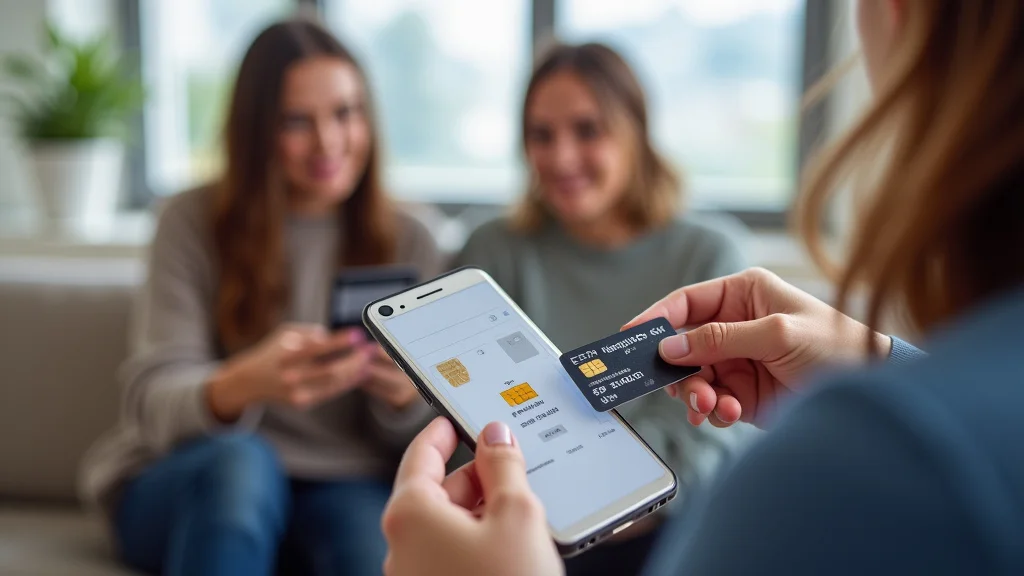
Picture this: you’ve just landed in Canada, excited to explore, but your phone is useless without data. You’re stranded, unable to check maps, book a ride, or even text your family. This is a common situation for many travelers. Choosing the right prepaid sim card Canada for tourists ensures you stay connected, informed, and safe throughout your trip. This post will detail everything you need to know about these essential travel companions, equipping you to make the best choice and avoid connectivity headaches. You’ll gain valuable insights into different options, their advantages, and how to get the most value for your money, significantly improving your travel experience.
Key Takeaways
- A prepaid sim card Canada for tourists provides affordable and reliable mobile data.
- You’ll learn about different providers, plans, and where to purchase your sim.
- Understand the various data, talk, and text options available for visitors.
- Discover the benefits of using a prepaid sim card for your trip.
- Compare the pricing and features of different providers to choose the best one.
Staying Connected: The Value of a Prepaid SIM Card in Canada
When traveling, maintaining communication is important. Using a local prepaid sim card Canada for tourists can be a budget-friendly option. It helps avoid exorbitant roaming charges, allowing you to use navigation apps, stay in touch with family and friends, and access essential travel information. Finding a local SIM is a good move.
Advantages of a Local SIM
One primary benefit of getting a prepaid sim card Canada for tourists is that it offers much cheaper data and call rates compared to roaming charges imposed by your home carrier. Additionally, it gives you a local phone number, which is very useful for making local calls, booking transportation, or contacting businesses without incurring international call charges. Think of it as a pocket-sized tool that opens up a world of convenience while saving you a lot of money. The availability of 4G and 5G networks in most areas means you’ll have fast and reliable internet access.
- Cost Savings: Roaming fees can quickly drain your budget. A prepaid SIM allows you to control your spending.
- Local Number: A local Canadian phone number makes it easy to make calls and access local services.
- Faster Data Speeds: Benefit from faster and more reliable data speeds.
Roaming charges can quickly eat into your travel budget. Local SIM cards provide much better rates, especially for data. Using a prepaid option gives you control over your spending and avoids any unexpected charges. You can easily select a plan that fits your needs and budget, making it an excellent way to save money while staying connected.
Having a Canadian phone number is helpful for both making and receiving calls while in Canada. It makes it easier to contact local businesses, make reservations, or connect with other travelers. This also simplifies interactions with local services, like booking taxis or ordering food, since you can use a local number.
Local SIMs offer better access to the local network infrastructure. This means you will get faster data speeds, allowing you to stream videos, browse the web, and use data-intensive applications more smoothly. This is especially helpful if you’re a heavy data user or depend on a reliable internet connection for work or personal use.
Data Plans and Options for Visitors
Prepaid sim card Canada for tourists data plans are designed with simplicity in mind. Providers offer various plans to cater to different usage habits. Understanding these options is key to picking the right fit for your travel needs. Options range from basic data packages to plans that include talk time and text messages.
- Data-Only Plans: These plans offer a set amount of data, suitable for those who primarily use the internet.
- Data, Talk, and Text Plans: For complete communication, these plans include data, voice calls, and text messages.
- Unlimited Data Plans: Some providers offer plans with unlimited data, often with some speed throttling after a certain amount of high-speed data use.
Data-only plans are great for those who mostly use the internet for navigation, checking emails, browsing, and social media. These plans typically come with a specified amount of data (e.g., 5GB, 10GB, or unlimited) over a set period (e.g., 30 days). Data-only plans are generally the most affordable option, making them ideal for travelers who primarily need internet access.
These plans offer a full range of communication features. They include a data allowance, as well as a certain number of minutes for local and international calls and a set number of text messages. These plans are best if you need to stay in regular contact with family, friends, or colleagues, or if you plan to make local calls frequently.
Unlimited data plans provide a great way to stay connected without worrying about exceeding your data limits. While the data is ‘unlimited’, speeds might be throttled after you’ve used a certain amount of high-speed data. These plans are perfect if you rely heavily on the internet for streaming videos, video calls, or working online.
Finding the Right Prepaid SIM Card
Choosing the right prepaid sim card Canada for tourists depends on your individual needs. Factors like length of stay, data usage, and need for calls and texts all come into play. A shorter trip might require a simpler plan, while a long-term stay will warrant a more extensive option. Consider your typical daily usage.
- Consider Your Length of Stay: The length of your visit will impact the plan duration and data needed.
- Estimate Your Data Usage: Assess your daily data use by considering activities like browsing, streaming, and using social media.
- Compare Providers and Plans: Look at pricing, coverage, data allowances, and additional features.
If you’re only visiting for a few days, a short-term plan with less data might be enough. For longer trips, consider a plan with more data or a longer validity period. Many providers offer plans that can last anywhere from a week to a month, so choosing a plan that aligns with your trip length can help you avoid unnecessary costs.
Understanding how much data you typically use is key to choosing the correct plan. If you regularly stream videos or make video calls, you’ll need a plan with a larger data allowance. For more modest users, a smaller data plan may be sufficient. Keeping track of your data usage on your current phone plan before you travel can give you a better idea.
The three major mobile carriers in Canada are Rogers, Bell, and Telus, and they often provide competitive options. Smaller mobile virtual network operators (MVNOs) may offer lower prices. When comparing, check the data allowance, talk time, and text message limits, as well as the coverage area. Reading reviews can provide insights into user experiences.
Where to Purchase Your Prepaid SIM Card
You have options when obtaining a prepaid sim card Canada for tourists, and convenience and timing are key factors. You can purchase them at airports, carrier stores, and various retail locations. Each place offers different levels of support and potentially different plan options. Knowing these options allows you to make a choice that best fits your arrival needs.
Airport and Arrival Options
Buying a SIM card immediately upon arrival at the airport is a convenient option for many travelers. This lets you connect as soon as you land. However, prices might be a little higher at airport locations. Knowing your travel dates, preferred data usage, and a rough budget can help you.
- Airport Kiosks: Airport kiosks are convenient, but prices can be higher.
- Convenience Stores: Local stores at the airport offer SIM cards at various prices.
- Consider Pre-ordering: Some providers allow you to pre-order your SIM card online for pickup.
Airport kiosks give you immediate access to SIM cards upon arrival. They usually offer a selection of plans from different providers. While convenience is a huge plus, prices at airport kiosks can sometimes be slightly higher than other locations. This is to be expected since airport vendors know they are catering to those who need immediate connectivity.
Small convenience stores located within the airport often sell SIM cards as well, which can be an alternative to dedicated kiosks. These stores may have a slightly different selection of providers and plans. The benefit is you might have a variety to consider and, more often than not, at prices that are very competitive to the kiosks.
Some providers offer the ability to order a SIM card online before you arrive, allowing you to pick it up at the airport or a designated location. This can save you time and allows you to compare plans in advance. Plus, you can walk off the plane and instantly have your connection ready. Be sure to check what activation is required.
Retail Stores and Online Purchases
Purchasing a prepaid sim card Canada for tourists from retail locations or online provides a broader selection and often better prices. You can explore a variety of plans and providers to identify the best value. This method often offers better deals. Online purchases allow you to compare and research plans before you arrive.
- Carrier Stores: Visit carrier stores such as Rogers, Bell, and Telus for in-person support.
- Big Box Retailers: Stores like Walmart and Best Buy often carry SIM card options.
- Online Ordering: Compare plans and prices online and have the SIM card shipped to your location.
Visiting an official carrier store like Rogers, Bell, or Telus is a good way to get a SIM card and get any questions answered in person. You will also get dedicated customer service. However, keep in mind that the plans offered will be specific to that provider. This also means, if you have any difficulties, you’ll have hands-on support to help sort it out.
Stores like Walmart and Best Buy carry a variety of prepaid SIM card options from different providers. These locations typically have competitive pricing and a broad selection of plans to choose from. This is a good way to compare different providers and find the best deal for your needs.
Websites are good for researching various SIM card providers and plan options from the comfort of your home before you travel. You can compare pricing, data allowances, and features easily. Some services will ship the SIM card to your address before your trip, so it is ready to go when you arrive.
Choosing the Right Provider for Your Trip
The best prepaid sim card Canada for tourists provider depends on factors like budget, coverage needs, and data requirements. Various mobile carriers and Mobile Virtual Network Operators (MVNOs) exist. Comparing and contrasting these options can help you match your needs.
Major Mobile Carriers
The major mobile carriers in Canada provide extensive coverage and robust networks. Choosing one of the larger carriers will ensure better coverage, especially in remote areas. However, these providers may have slightly higher prices. Reliability and coverage are their strong suits.
- Rogers: Extensive coverage and a wide range of plans.
- Bell: Strong coverage, particularly in urban areas.
- Telus: Known for its high-quality network and customer service.
Rogers has a vast network that covers a large portion of Canada, making it a reliable choice for travelers. They offer various prepaid plans with different data allowances, talk time, and text message options, suitable for all types of users. Rogers is often a top choice, but make sure to compare plan pricing and features.
Bell provides excellent coverage in major cities and urban areas, providing solid performance for travelers. Bell offers various prepaid options, often including attractive data bundles and international calling features. Bell is a great choice if you will be spending the majority of your time in metropolitan areas.
Telus is known for its high-quality network and customer service, providing dependable service for visitors. They usually offer competitive plans. Telus is a good option if you value network quality and reliable customer support, even if it might cost a bit more.
Mobile Virtual Network Operators (MVNOs)
MVNOs operate on the networks of the major carriers. They often offer more competitive pricing and flexible plans. MVNOs generally provide a balance between affordability and network coverage. These often are attractive due to price.
- Freedom Mobile: Offers competitive pricing, but coverage is more limited.
- Public Mobile: Offers budget-friendly plans with a loyalty program.
- Other MVNOs: There are other MVNOs offering a variety of plans, each with its own pros and cons.
Freedom Mobile provides great value with some of the lowest prices on prepaid plans. However, coverage is more limited, particularly outside of major cities. You should check Freedom’s coverage map to ensure it aligns with your travel plans. If you’re primarily staying in urban areas, Freedom can be a good choice for saving money.
Public Mobile is an MVNO that is known for its budget-friendly plans and loyalty program, allowing users to earn discounts over time. Public Mobile uses the Telus network. If you are looking for long-term savings and plan to return to Canada, Public Mobile can be an excellent choice.
Several other MVNOs operate in Canada, and each has its own strengths. These providers often offer specialized plans or unique features to set them apart. Checking their coverage maps and comparing prices and features against your needs is crucial before making a decision.
Activating and Using Your Prepaid SIM Card
Activating your prepaid sim card Canada for tourists is usually a simple process. Follow the instructions that come with the SIM card or those provided by the carrier. Familiarizing yourself with the process ensures you’re connected swiftly upon arrival. Understanding the steps makes it an easy start to your travels.
Activation Process
The general steps to activate a SIM card include inserting the SIM card, following on-screen instructions, and confirming your plan. Ensure your phone is unlocked and compatible with the carrier. The initial steps are usually similar, regardless of which provider you choose. Have your passport or ID ready.
- Insert the SIM Card: Locate the SIM card slot on your phone and insert the new SIM.
- Follow On-Screen Instructions: Complete any necessary registration or activation steps.
- Confirm Your Plan: Ensure that your plan is active and that your phone connects to the network.
Once you’ve purchased your prepaid SIM card, you’ll need to insert it into your phone. Most phones have a slot for a SIM card, which is often found along the side or top of the device. Use the SIM ejector tool (usually included with the phone or SIM card packaging) to open the slot and insert the new SIM card. Ensure it is placed correctly, then close the slot.
After inserting the SIM card, you will likely need to follow on-screen instructions to activate it. This may involve entering your personal information, confirming your plan, or setting up your voicemail. The instructions are generally straightforward and are designed to guide you through the process, so be sure to read them carefully.
Once you have followed all the steps to activate the SIM card, it is important to verify that your plan is active and that you can connect to the network. You can do this by checking if your phone displays the network carrier’s name or signal bars. Try making a call or sending a text to confirm that everything is working correctly.
Using Your SIM Card
Once activated, use your SIM card to make calls, send texts, and use data. Familiarize yourself with your data limits and the local dialing codes. Monitor your usage to avoid going over your data allowance, especially for long trips. Plan accordingly to avoid extra charges.
- Making Calls: Dial local and international numbers using the correct dialing codes.
- Sending Texts: Send text messages within Canada and internationally.
- Using Data: Monitor your data usage and manage your data settings.
To make local calls in Canada, you simply dial the 10-digit phone number. For international calls, you will need to dial the international access code (011 from North America) followed by the country code, area code, and phone number. Always check the specifics of your plan for international calling rates and restrictions.
You can send text messages to Canadian numbers or international numbers. Keep in mind that international text messages might be charged at a higher rate. Be sure to check your plan details to understand the charges and any restrictions on messaging. SMS (text messaging) is also a good backup for when you have spotty data.
Data usage can vary significantly depending on your activities. Using map apps, browsing the web, checking emails, or streaming music consumes data at different rates. Monitor your data usage through your phone’s settings or the carrier’s app. You can also turn off background data usage or restrict data access for certain apps to manage your data consumption.
Avoiding Issues and Maximizing Your Experience
By taking some precautions, you can prevent problems and maximize your experience with your prepaid sim card Canada for tourists. From ensuring your phone is unlocked to understanding data roaming, these tips help ensure a smooth journey. Doing your research can make sure things go smoothly.
Phone Compatibility
Before buying a SIM card, confirm your phone is unlocked. An unlocked phone accepts SIM cards from different carriers. If your phone is locked to your home carrier, it will not work with a prepaid SIM. Checking your phone’s settings or contacting your carrier is important.
- Unlocked Phones: Ensure your phone is unlocked and compatible with Canadian networks.
- Network Compatibility: Check the network frequencies supported by your phone.
- Device Check: Confirm that your device is capable of using a SIM card.
Before you buy a SIM card, make sure that your phone is unlocked. An unlocked phone can accept SIM cards from any carrier, which is crucial for using a prepaid SIM card in Canada. If your phone is locked to your home carrier, it will not work with a prepaid SIM card. If your phone is locked, contact your carrier to unlock it before your trip.
It is essential to verify that your phone supports the network frequencies used in Canada. The majority of Canadian carriers use the GSM and LTE technologies, but specific frequency bands may vary. The information about the supported frequency bands can usually be found in your phone’s specifications or on the carrier’s website. If your phone is not compatible with Canadian networks, you will not be able to use the SIM card.
While most smartphones are compatible, some devices like smartwatches or older models might not support a SIM card. Double-check your device’s specifications to confirm that it has a SIM card slot. If your device does not support a SIM card, you may need to use alternative methods like a mobile hotspot device or data roaming.
Data Roaming
Understand how data roaming can affect your usage, and make sure that it’s turned off to avoid unintended charges. Keeping data roaming disabled ensures you use only your prepaid data. Be mindful of this setting to control costs.
- Turning Off Data Roaming: Disable data roaming on your device to prevent unexpected charges.
- Monitoring Data Usage: Keep track of your data consumption to avoid exceeding your plan’s limits.
- Wi-Fi Usage: Use Wi-Fi hotspots for data-intensive activities, like streaming.
Data roaming allows your phone to use a network from a foreign carrier, and this can be expensive. Turning off data roaming on your device ensures that you only use the data included in your prepaid plan. This setting can usually be found in your phone’s mobile data settings or network settings.
Monitoring your data usage is important to make sure you do not exceed the limits of your prepaid plan. You can monitor your data usage through your phone’s settings or the carrier’s app. If you use a lot of data, consider upgrading to a larger data plan or using Wi-Fi whenever possible.
Wi-Fi hotspots are a great way to save your prepaid data for essential usage, such as navigation or messaging. Use Wi-Fi networks in hotels, cafes, or public spaces for activities that consume a lot of data, such as streaming videos or downloading large files. This can extend the life of your prepaid data plan.
Security and Privacy
Protect your personal information by keeping your phone secure. Being aware of the risks helps you stay safe and ensures that your trip is trouble-free. Practicing secure usage habits can protect your data and privacy.
- Protecting Your Device: Use a strong password or PIN to secure your phone.
- Avoiding Public Wi-Fi: Use secure networks or a VPN to protect your data on public Wi-Fi.
- Being Aware of Scams: Be cautious of suspicious links, emails, and calls.
Protect your phone with a strong password or PIN to prevent unauthorized access to your personal data. This is crucial if your phone is lost or stolen. You can also enable two-factor authentication on important accounts for extra security. Regularly back up your data to ensure that you do not lose important information if something happens to your device.
Public Wi-Fi networks are often unsecured and can be vulnerable to hacking. Avoid performing sensitive activities, such as online banking or entering personal information, on public Wi-Fi networks. Consider using a virtual private network (VPN) to encrypt your internet traffic and protect your data when using public Wi-Fi.
Be mindful of scams and phishing attempts. Avoid clicking on suspicious links or responding to unsolicited emails or calls. Be very careful with any personal information you provide online. If you receive a suspicious communication, verify the sender’s identity before responding. Always report any suspicious activity to the appropriate authorities.
Frequently Asked Questions
Question: Can I use my existing phone with a prepaid sim card Canada for tourists?
Answer: Yes, but your phone must be unlocked and compatible with Canadian network frequencies. Check your phone’s settings or contact your carrier to confirm.
Question: What documents do I need to buy a prepaid SIM card?
Answer: Usually, you’ll need a valid passport or another form of identification.
Question: How long does a prepaid SIM card last?
Answer: Plan durations vary, but often range from a week to a month, depending on the plan you choose.
Question: Can I use my prepaid SIM card outside of Canada?
Answer: Your prepaid SIM card is typically for use within Canada. International roaming may be available at extra cost, depending on your provider.
Question: How can I check my data usage?
Answer: You can monitor your data usage through your phone’s settings or by using the provider’s mobile app.
Final Thoughts
Getting a prepaid sim card Canada for tourists is a simple yet effective way to ensure smooth communication and internet access during your Canadian trip. Choosing the right plan means weighing your data needs, comparing various providers, and understanding how to activate and manage your SIM card. By knowing your options and doing a little preparation, you can keep connected without the high costs of roaming. This gives you freedom to explore Canada’s beauty, stay connected, and enjoy every moment. With a prepaid sim card Canada for tourists, your next adventure can be both connected and affordable.