
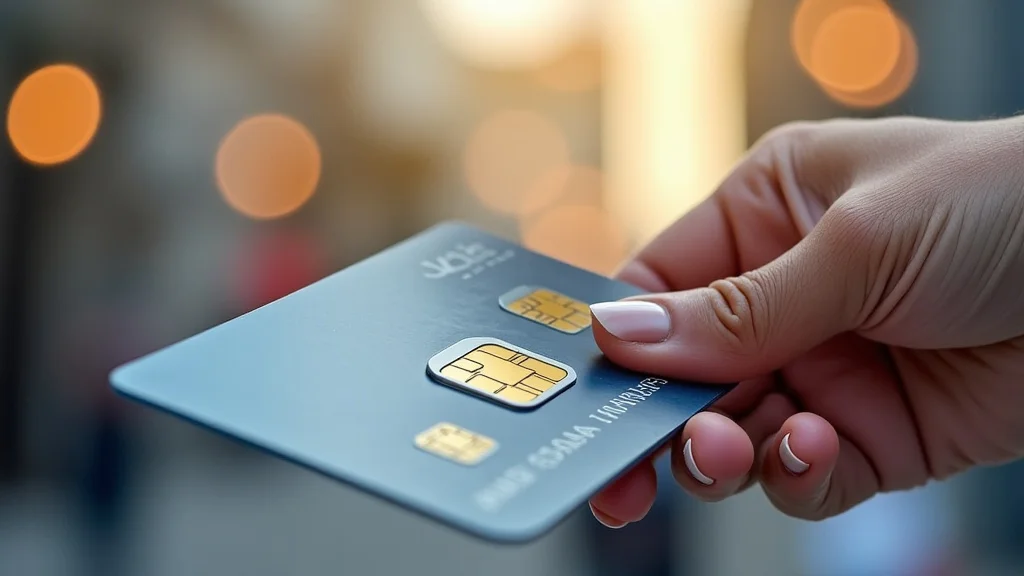
Picture this: You’re touching down in Toronto, eager to explore the city, but your phone’s roaming charges are giving you serious anxiety. Or, maybe you’re driving across the border into the United States, and you need a reliable way to stay connected without getting hit with a huge bill. That’s where a prepaid SIM card Canada USA comes in handy. It’s like having a local phone number without signing up for a long-term contract. This guide will walk you through everything you need to know, from choosing the right card to activating it, helping you stay connected without breaking the bank. You’ll learn how to get the best value, avoid hidden fees, and make the most of your travel. This post will improve your knowledge of prepaid SIM card Canada USA options, giving you the confidence to travel smarter and stay connected effortlessly.
Key Takeaways
- Discover the advantages of using a prepaid SIM card when traveling between Canada and the USA.
- Learn how to choose the right prepaid plan based on your usage needs.
- Explore where to buy prepaid SIM cards and how to activate them quickly.
- Understand how to avoid unexpected roaming charges and manage your data usage.
- Find out about different network options and compare their coverage in both countries.
- Get tips on troubleshooting common issues that may arise with your prepaid SIM card.
Choosing the Right Prepaid SIM Card for Canada and USA
Selecting the perfect prepaid SIM card Canada USA is like choosing the right travel backpack; it needs to fit your needs perfectly. There are different factors that come into play, from the amount of data you’ll need for browsing and streaming to the length of your trip. The goal is to find a card that will keep you connected without overspending. Consider your travel plans, communication preferences, and data usage habits. Do you primarily need data for maps and emails, or will you be making frequent calls and video chatting? Understanding your needs beforehand will simplify the selection process.
Data Allowance and Usage
One of the biggest factors in selecting a prepaid SIM is the data allowance. It’s easy to underestimate how much data you will use on your trip. Everything from checking emails to watching videos and using social media consumes data. Before you select a card, consider your data habits. Do you plan to rely on Wi-Fi whenever possible, or will you need constant access to data? Some plans offer unlimited data at lower speeds after you use a certain amount of high-speed data. Look carefully at the fine print to understand the limitations. If you plan to stream videos or use data-heavy applications, you’ll need more data. Consider plans with higher data allowances, or look for cards that offer data rollover, where unused data carries over to the next month.
-
Estimate Your Data Needs: Assess how you will use data. If you primarily use your phone for basic internet browsing, email, and navigation, a smaller data allowance may suffice. If you plan to stream videos, use social media often, or make video calls, you’ll need a larger data allowance. Be realistic about how you use your phone on a normal day.
Before purchasing, try tracking your current data usage for a few days to get an idea of how much data you typically consume. Many phones have built-in data tracking tools to assist with this.
-
Consider Data Speeds: Pay attention to the data speeds offered by each plan. Some plans offer high-speed data for a limited amount, after which the speed decreases. If you need fast data for streaming or video calls, look for plans that offer high-speed data throughout your usage period. Be aware of the difference between 4G and 5G coverage and how it impacts your data experience.
4G provides a good balance of speed and coverage in most areas. 5G offers the fastest data speeds, but it may not be available everywhere, particularly in rural or remote areas.
-
Check for Data Rollover: Some prepaid plans allow you to roll over unused data from one month to the next. This is useful if you don’t use all your data in a given month. Look for this feature to ensure you don’t lose any data you paid for. If you tend to use more data one month and less the next, data rollover can save you money.
Data rollover is a great way to optimize your data usage and prevent waste. However, be aware of any time limitations or rules regarding the rollover data. Some plans may require you to renew your plan within a specific period to keep the rollover data.
Voice and Text Messaging
While data is important, don’t overlook your voice and text messaging needs. If you need to make calls to family, friends, or businesses in Canada and the USA, you’ll want a plan that offers a sufficient number of calling minutes. Similarly, if you plan to send a lot of text messages, consider a plan with unlimited texting. Some plans offer a combination of minutes, texts, and data, while others may offer unlimited calls and texts within a specific region. Consider how frequently you make calls and send texts. Compare plans and their price to see which offers the best value for your communication needs.
-
Assess Your Calling Needs: Determine how many calls you expect to make while you’re traveling. Do you need to call family, friends, or businesses? If you only need to make a few calls, a plan with a limited number of minutes may be adequate. For frequent calls, consider a plan with a larger allowance.
If you’re unsure how many calls you’ll make, consider a plan that offers pay-as-you-go calling rates. This way, you only pay for the minutes you use.
-
Text Messaging Considerations: Decide how much you plan to text. Are you a frequent texter, or do you primarily use messaging apps? Some plans offer unlimited texting, while others limit the number of texts. Many prepaid plans include unlimited texts, making it easier to communicate without worrying about extra charges.
If you prefer to send a lot of texts, look for plans with unlimited texting. This way, you can communicate freely without needing to worry about additional charges. Consider plans that offer international texting if you need to text contacts outside of Canada and the USA.
-
Consider International Calling Options: If you need to call international numbers, review the international calling rates of each plan. Some plans offer cheaper rates for specific countries, while others may offer add-ons or packages for international calls. Make a list of the countries you will call and compare the international calling rates to find the most cost-effective solution.
Some prepaid plans include a certain amount of international calling minutes or allow you to purchase an add-on for cheaper rates. If you frequently call international numbers, it may be worthwhile to select a plan that offers competitive rates.
Plan Duration and Validity
The length of your trip will impact the type of prepaid plan you select. You can find plans with durations ranging from a few days to a month or more. Make sure the plan’s validity period aligns with your travel dates to avoid needing to purchase a new SIM card. Also, check the renewal options. Can you easily renew the plan if your trip is extended? Some plans automatically renew, while others require manual renewal. Choosing the right plan duration can save you money and ensure you stay connected for the duration of your trip.
-
Match the Plan to Your Trip Length: Choose a prepaid plan that matches the length of your trip. If you are traveling for a week, you don’t need a monthly plan. Conversely, if you’re traveling for a month, a short-term plan may not be the best choice. Match the plan duration to your trip length to get the most value.
Consider the flexibility to extend your plan if your trip lasts longer than planned. Some plans allow you to renew them easily online or via your phone. Ensure you can extend your plan without having to purchase a new SIM card if your plans change.
-
Check the Validity Period: Pay close attention to the plan’s validity period. This is the period you can use the plan. Some plans may expire even if you still have data or minutes left. Ensure the plan’s validity covers the entire duration of your trip.
If the plan expires before your trip ends, you will lose any remaining data or minutes. Double-check the expiration date before purchasing your prepaid plan.
-
Understand Renewal Options: See how you can renew your plan. Some prepaid plans renew automatically, while others require you to manually renew them. Automatic renewal makes it easier to stay connected. Manual renewal may provide greater control over your costs.
Before buying a plan, research the renewal process. Determine whether you will be able to manage your plan through an app, website, or USSD code. If you want a plan to renew automatically, confirm that it supports this feature, and that you understand how it works.
Where to Purchase and Activate Your SIM Card
You can purchase a prepaid SIM card Canada USA in a few different places. You can often find them at airports, convenience stores, mobile phone stores, and online retailers. Purchasing at an airport may be convenient, but the prices might be higher. Convenience stores often have a good selection, but the customer support may be limited. Mobile phone stores are great for getting help with activation and troubleshooting. Buying online often gives you the best price, but you’ll have to wait for shipping. Check out the different purchase options to choose the one that works best for you. Make sure you have your passport or other identification ready when purchasing.
Finding a Retailer
When choosing a retailer, consider location, price, and customer service. If you arrive at an airport, check the airport kiosks, but compare prices against online options. Convenience stores provide easy access, but their selection may be smaller. Mobile phone stores offer expert advice and setup help. Online retailers often offer discounts and a wider selection. Reading reviews about the retailer can give you insights into their service and product quality. Choose the retailer that meets your needs and provides the best customer experience.
-
Airport Kiosks: Airport kiosks are convenient upon arrival, but they often charge a premium for their services. Compare their prices with those of online retailers. Check to see if they offer SIM card activation and other customer support. Keep in mind the limited selection of options you might have.
Airport kiosks can save you time upon arrival, but they might not be the most budget-friendly option. Always check prices beforehand to see if it makes sense for your travel needs.
-
Convenience Stores: Convenience stores are easily accessible, but their selection of SIM cards may be smaller. The staff may not have the expertise to assist with activation or troubleshooting. Compare the prices and the range of plans with mobile phone stores and online retailers. Convenience stores provide fast and easy access to a SIM card if you are in a rush.
Consider the convenience factor when purchasing from a convenience store. While the price might be higher, you can easily acquire a SIM card. If you are comfortable activating the SIM yourself, the convenience store may be a good option.
-
Mobile Phone Stores: Mobile phone stores offer expert assistance with SIM card activation and troubleshooting. Their staff can help you choose the best plan based on your needs. They also offer a wider selection of plans and support for different mobile phones. The prices at mobile phone stores can be competitive.
Mobile phone stores provide the support you need, especially if you are not tech-savvy or have questions. The staff can help you activate the SIM and provide assistance if any issues arise.
Activation Process
The activation process for your prepaid SIM card Canada USA varies by provider. Usually, it involves inserting the SIM card into your phone, selecting the right network settings, and following the activation instructions. Some providers require online activation via their website or app, while others allow you to activate by calling a specific number. Be ready with your SIM card, phone, and any necessary personal information. Activating your SIM card before your trip can save time. Follow the instructions carefully to avoid any activation issues.
-
Insert the SIM Card: The first step is inserting the SIM card into your phone. Check your phone’s manual or online resources to locate the SIM card slot. Use the SIM ejector tool or a paper clip to open the tray. Carefully insert the SIM card, ensuring that it is correctly oriented.
Be gentle when handling the SIM card, and avoid forcing it into the tray. If the SIM card doesn’t fit, there is a good chance that it is not oriented correctly.
-
Network Settings: Some phones require you to adjust network settings. Go to the settings menu on your phone and select “Mobile Networks” or “Network & Internet”. Select the new network from the list of available networks. The SIM card provider may have specific network settings that you must manually enter.
Consult your SIM card provider’s instructions to determine the correct settings to use. If your phone isn’t connecting to the network, this is often the solution.
-
Follow Activation Instructions: After inserting the SIM card and configuring your network settings, follow the activation instructions provided by your SIM card provider. This process can vary, depending on the provider. It may involve calling a specific number, sending a text message, or activating your SIM through an app.
Once you complete the activation instructions, it may take some time for the SIM card to connect to the network. Be patient and wait for the signal bars to appear on your phone.
Avoiding Unexpected Charges and Managing Data Usage
Unexpected charges are a common concern for travelers. To avoid them, you must understand how roaming charges and data usage work. Deactivating data roaming is an important first step. Monitor your data usage and set alerts to get notified when you reach a certain usage threshold. Many mobile apps can help you track your data consumption. Also, learn how to use Wi-Fi to reduce your data use and save money. You can take control of your mobile costs by adopting these strategies.
Data Roaming
Data roaming occurs when your phone uses a mobile network outside the coverage area of your provider. If you have data roaming enabled, your phone will automatically connect to a network. This can result in high roaming charges if you aren’t on a prepaid plan. To avoid data roaming charges, disable the data roaming feature in your phone’s settings. This prevents your phone from automatically connecting to foreign networks when you travel. Also, familiarize yourself with your provider’s international roaming policies and rates. By taking these precautions, you can prevent unexpected charges.
-
Disable Data Roaming: The first step is to disable data roaming on your phone before you travel. In most phones, you can find this setting under “Mobile Data” or “Network & Internet” in the settings. Ensure that the “Data Roaming” option is turned off. Disabling data roaming prevents your phone from using data on foreign networks.
Disabling data roaming is one of the easiest ways to prevent unintended charges. You will still be able to use data when connected to Wi-Fi. If you forget to disable data roaming, you could incur charges when traveling.
-
Understand Roaming Policies: Review your SIM card provider’s international roaming policies. Some providers offer roaming packages that include data, calls, and texts. These can be a cost-effective option for using your phone internationally. Carefully compare the rates of roaming packages to the cost of a prepaid SIM card to decide which one is best.
If you choose to use your current phone plan, be aware of the per-minute calling rates and the cost of data usage. You can avoid surprises by understanding how your provider charges for roaming.
-
Be Aware of Network Switching: When traveling near the Canada-USA border, your phone may switch between networks. This can be problematic if you have data roaming enabled or if you have a plan that only covers one country. Be aware of your phone’s network and manually select a network to avoid unexpected charges.
Manual network selection gives you control over your phone’s connection. If you are near the border, regularly check which network your phone is using.
Data Usage Monitoring
Keep track of your data usage to prevent unexpected costs. Many smartphones and apps can monitor data consumption. Also, set up alerts to get a notification when you reach your data limit. By knowing your data consumption, you can modify your habits to stay within your data allowance. Monitor your data usage by using the settings on your phone or by using apps. Use Wi-Fi to avoid using your data allowance unnecessarily.
-
Use Built-in Data Tools: Most smartphones have built-in tools to track data usage. These tools provide information on how much data you use each month and which apps use the most data. Use the data usage tracker in your phone’s settings to monitor your consumption.
Check your phone’s data usage frequently. The information can help you understand your data consumption habits and which apps are consuming the most data.
-
Set Data Alerts: Set data usage alerts on your phone to get notifications when you reach a set limit. You can prevent running out of data by getting notified when you reach a certain amount of data usage. Set an alert when you are approaching your data allowance.
When you set data alerts, you will get notified when you use a certain amount of data. This allows you to manage your data usage and prevent overage charges.
-
Monitor Data-Intensive Apps: Find the apps that use the most data. Streaming video, social media apps, and map apps often use the most data. Consider using these apps on Wi-Fi or reducing the quality of video streaming.
Be careful of data-intensive apps while you travel. You can manage your data usage by reducing the time you spend using those apps.
Choosing Between Different Network Options
There are multiple network options for your prepaid SIM card Canada USA, including major carriers like AT&T, Verizon, T-Mobile, and regional providers. The best choice depends on your budget, travel area, and coverage needs. AT&T and Verizon provide extensive coverage in the United States, while T-Mobile offers competitive rates and expanded international features. Regional carriers might provide more affordable options. Consider the coverage maps of each provider to confirm that coverage meets your travel requirements. Also, review the cost of data and other services to help you make an informed choice.
Coverage Area Comparison
Coverage is a major factor when choosing a prepaid SIM card. Major carriers often have extensive coverage areas, but coverage can vary by region. Verizon and AT&T have the broadest coverage in the United States, with robust networks in populated areas. T-Mobile has increased its coverage. Regional carriers provide excellent coverage, particularly in certain states. Verify the coverage maps of each provider to make sure the network will work in your destination. Coverage can be a deciding factor for your SIM card plan.
-
Verizon: Verizon is known for its reliable coverage, particularly in urban and suburban areas. Verizon has a solid network, including excellent 4G LTE coverage and expanding 5G networks. Verizon’s coverage can be more extensive in some rural areas.
Verizon is a good choice for travelers who need a reliable connection and value coverage. However, the plan rates can be higher than those of the other options.
-
AT&T: AT&T offers wide coverage, which makes it another excellent choice. AT&T has good 4G LTE coverage. It is expanding its 5G network in both the USA and Canada. AT&T provides solid coverage in various cities, towns, and along major highways.
AT&T is a popular option, offering a balance of coverage and reasonable pricing. Check AT&T’s coverage maps to make sure it covers the areas you plan to visit.
-
T-Mobile: T-Mobile has improved its coverage, particularly in major cities and suburban areas. T-Mobile offers competitive prices and has expanded its 5G network. T-Mobile provides good coverage in Canada, making it a good choice for travel between the two countries.
T-Mobile is a good option if you want to save money. T-Mobile offers various plans with competitive rates and has increased coverage.
Cost and Value Analysis
Compare costs and value to make a well-informed decision. The price of prepaid SIM cards varies based on the provider, data allowance, and plan duration. Consider your budget and the services you need. Major carriers often have higher prices. Regional providers sometimes offer better rates. Don’t base your decision solely on the initial price. Consider the price per gigabyte of data and other services, such as calling minutes. Assess the overall value. Identify a plan that meets your needs without overspending. Evaluate your options carefully to find the best balance.
-
Price Comparison: Compare the price of different prepaid plans offered by the various providers. Pay close attention to the plan’s data, calling minutes, and text messaging features. Compare the cost of plans. Select a plan within your budget.
Compare the price of a prepaid plan before deciding. If you are comparing the same data or minutes across different providers, you can use the price to make your decision.
-
Data Cost per GB: Compute the cost per gigabyte of data for each plan. Divide the plan price by the data allowance. Evaluate the price per gigabyte to get an understanding of the plan’s value. Choose a plan that provides the best value.
The cost per GB can reveal which plans provide a better value. If a plan has the same data allowance as another plan, a lower price will be a better value.
-
Consider Additional Features: Assess the features and consider the price of international calling, data rollover, and tethering. A plan with useful features can be worth more. Determine whether the value is worth the cost. Select a plan based on the features that meet your needs.
The extra features can have a substantial impact on the value. Evaluate the features before choosing a prepaid plan.
Troubleshooting Common Issues
Even with careful preparation, issues can arise when using a prepaid SIM card Canada USA. Common problems involve activation problems, connectivity issues, and account management. The steps to resolve these problems involve restarting your phone, verifying your network settings, and contacting customer support. Most issues are easily solved by following troubleshooting steps. Knowing how to resolve these issues will allow you to maintain your connection. Troubleshooting can help avoid frustration and ensure a smoother travel experience.
Activation Troubles
Activation problems are common. If your SIM card doesn’t activate, start by ensuring you inserted it correctly. Check your phone’s settings and verify the network settings are accurate for your provider. Also, check that you have enough credit in your account and that the activation process is complete. If problems remain, restart your phone and re-attempt activation. Some problems can also be solved by contacting customer service. Customer service can usually offer guidance to help solve activation problems. You can resolve most activation problems by following these steps.
-
SIM Card Insertion: Make sure the SIM card is inserted correctly into your phone. Check that the SIM card is oriented properly, and it’s securely in place. Confirm the SIM card slot is clean. Ensure that the SIM tray is closed correctly.
A poorly inserted SIM card will prevent your phone from connecting to the network. Take your time, and carefully insert your SIM card to avoid issues.
-
Network Settings: Verify the network settings. Access your phone’s settings and confirm the network is selected. See that your phone is configured to search for networks automatically or manually. Ensure the network settings match the instructions of your SIM card provider.
Incorrect network settings can prevent your phone from connecting to the network. Review the instructions and make sure your settings are correct.
-
Account Verification: Ensure your account has been properly activated. Check that your account is active. Verify you have paid. Check your account balance if you have any doubts.
Account problems can prevent the SIM card from working correctly. Checking the account details may help resolve any issues.
Connectivity Problems
Connectivity issues may arise while you’re traveling. If your phone isn’t connecting to the network, start by restarting your phone. Try turning airplane mode on and off to reset the network connection. Confirm your phone is in an area with coverage. In case the problems persist, check the network settings, and manually select a network if needed. Contact customer support to determine if the problem is a local network problem. Usually, you can resolve these issues. Follow these steps to resolve connectivity problems.
-
Restart Your Phone: Restart your phone. It may resolve many connectivity problems. Turn off your phone and turn it back on. This resets your connection to the network and restarts the phone’s software.
The restart might resolve a temporary connectivity glitch. Restarting your phone is the first step you should take when experiencing problems.
-
Airplane Mode: Toggle airplane mode on and off. Open your phone’s settings and enable airplane mode. Wait a few seconds and then disable it again. This process will force your phone to search for the best available network.
Toggling airplane mode is a quick way to re-establish your network connection. This is useful when traveling through different areas.
-
Network Selection: Check for network selection. Verify your phone’s network settings. You can set it to automatically search for a network or manually select one. If you have network connectivity problems, try switching to a different network manually.
Switching between networks can resolve connectivity problems, especially near borders. Select a network manually if the automatic selection is not working.
Frequently Asked Questions
Question: Where can I buy a prepaid SIM card?
Answer: You can buy prepaid SIM cards at airports, convenience stores, mobile phone stores, and online retailers.
Question: How long does it take to activate a prepaid SIM card?
Answer: Activation times vary by provider, but it usually takes a few minutes to an hour after completing the activation steps.
Question: Can I use the same prepaid SIM card in both Canada and the USA?
Answer: Yes, many prepaid SIM cards are designed to work in both Canada and the USA, offering cross-border connectivity.
Question: What happens if I run out of data?
Answer: If you run out of data, you may need to purchase more data or your speed will be reduced to a slower speed.
Question: How do I check my remaining data balance?
Answer: You can check your remaining data balance by using the mobile app or website of your SIM card provider, or by dialing a specific USSD code.
Final Thoughts
Selecting the right prepaid SIM card Canada USA enhances your travel experience by keeping you connected without the shock of roaming charges. By considering your data needs, call and text usage, and the duration of your trip, you can choose a plan that’s perfect for you. Remember to compare network coverage, plan costs, and activation processes. Before your trip, disable data roaming, monitor your usage, and familiarize yourself with troubleshooting steps. By choosing the right SIM card, you can easily stay in touch with loved ones, access maps and information, and share your adventures in real-time. Do the research ahead of time to make a confident choice, and enjoy your travels with seamless connectivity.